


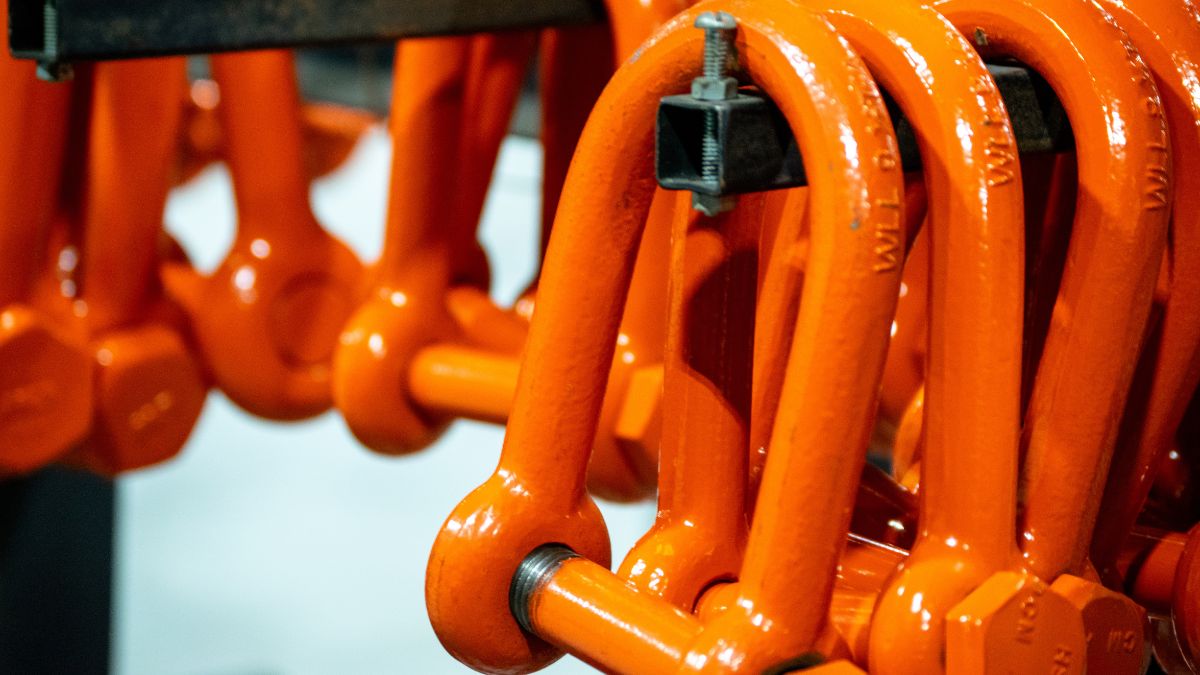
Rigging in the Heat: How Summer Conditions Affect Your Lifting Equipment
On the topic of rigging safety, winter usually gets the most attention. Cold temperatures can make materials brittle, increase wear, and change how lifting equipment performs. However, summer weather also brings a unique set of challenges, and they deserve just as much attention.
Why Inspection Is Only Half the Safety Equation (And What the Other Half Is)
Accidents can happen for many reasons, and it’s not always because an inspection was skipped. In many cases, the equipment passed the inspection, the paperwork was complete, and the gear met the required standards. The problem is, inspection only paints half of the picture.

Repair, Refurbish, or Replace? Making the Right Call on Lifting Equipment
One of the most crucial questions on any jobsite revolves around equipment. Is this piece of gear still good, or is it time to pull it out of service? The answer isn’t always obvious. After all, lifting equipment is designed to handle tough conditions. But load stress, weather, abrasion, and daily handling take their toll.

Early Warning Signs of Rigging Failure (And What They Mean)
Equipment failure is something that no crew wants to encounter, especially when it can be prevented. 90% of crane accidents are caused by human error, leading to roughly 42 fatalities every year. In most cases, the warning signs were there before the incident. They were just missed.

Load Rating vs. Working Load Limit (WLL): A Costly Misunderstanding Explained
There’s a lot of confusion around load rating vs WLL (working load limit). The terms are printed on tags and spec sheets, they show up in quotes and purchase orders, and they’re often used interchangeably. But they do not mean the same thing.

Winter Wear on Rigging & Lifting Equipment: What Cold Weather Does to Your Gear
Cold weather can be hard on lifting gear. Steel, fiber, and other materials can react to freezing temperatures and the winter elements. On busy jobsites, this can be easy to overlook. Winter rigging safety starts with understanding that your equipment does not perform the same in January as it does in July.

Inspect
Avoid downtime and safety hazards with our lifting equipment inspection services.

Refurbish
Get equipment fixed right the first time with our hoist and hydraulic pump refurbish services.


